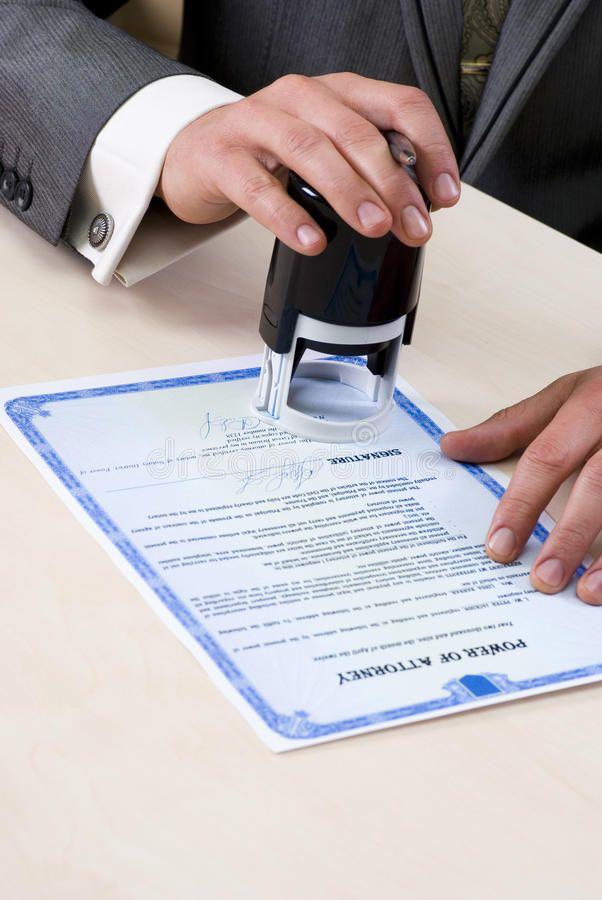
If you’ve ever had a document notarized, you’ve probably seen the notary press a raised seal into the paper or mark it with an ink stamp. At first glance, these might look like the same thing—but they’re not.
Both the notary seal and notary stamp are official tools used to authenticate documents, but they serve slightly different purposes depending on your state’s requirements. Understanding the difference can help you avoid confusion (and make sure your documents aren’t rejected).
What Is a Notary Seal?
A notary seal is an embosser that creates a raised, three-dimensional impression on paper. It’s sometimes referred to as a “crimp” or “embossed seal.”
Key features of a notary seal:
-
Usually round in shape.
-
Leaves a raised imprint on the paper (with or without ink).
-
Includes the notary’s name, commission number, and state.
Some states still require the embossed seal, especially for more traditional legal documents.
What Is a Notary Stamp?
A notary stamp is an inked rubber stamp that places a flat, visible impression on a document. It’s the most common notarial tool used today.
Key features of a notary stamp:
-
Typically rectangular in shape.
-
Uses ink (black or blue, depending on state law).
-
Contains the notary’s official information, like their name, commission number, and expiration date.
Notary stamps are easier to see, scan, and photocopy, which is why many states require them.
The Main Differences Between a Notary Seal and Stamp
While both tools prove that a notary has authenticated a document, there are important differences:
-
Appearance – Seals create a raised impression, while stamps use ink.
-
State Requirements – Some states require one, the other, or allow both.
-
Usability – Stamps are easier to read on copies, while seals are harder to forge.
-
Formality – Seals are often seen as more traditional, while stamps are more practical for modern documents.
Do You Need Both a Seal and a Stamp?
It depends on your state. Some states require only a stamp, others allow seals, and a few may require both.
For example:
-
New York – Requires an ink stamp, seal optional.
-
California – Requires a stamp, seals may be used for ceremonial purposes.
-
Louisiana – Still recognizes embossed seals in many cases.
Always check your state’s notary laws to confirm what’s required.
Final Thoughts
The notary seal and stamp both serve the same purpose: authenticating your document. The difference lies in their form and your state’s specific requirements.
Whether you see a raised seal or an inked stamp, both mark your document as officially notarized and legally recognized.
👉 Need reliable notary services? Contact us today to schedule your appointment.