Introduction
When you meet with a notary public — whether online or in person — one of the first things they’ll ask for is your valid, government-issued identification. Verifying your identity isn’t just a formality; it’s a legal requirement that protects both you and the integrity of your document.
However, not all IDs are accepted, and small issues like an expired card or a recent name change can cause unexpected delays. Here’s what you need to know before your notarization appointment.
1. Why Identification Is Required for Notarization
A notary public’s main role is to verify the signer’s identity and ensure the person signing a document is who they claim to be. This helps prevent fraud, forgery, and unauthorized transactions.
Without a proper ID, a notary cannot complete the notarization — no exceptions.
2. Commonly Accepted Forms of ID
Most U.S. states follow similar guidelines for acceptable identification. In general, your ID must:
-
Be issued by a federal, state, or tribal government
-
Include a photo, signature, and physical description
-
Be current and valid (not expired, unless allowed by state law)
Commonly Accepted IDs:
-
U.S. State Driver’s License or Identification Card
-
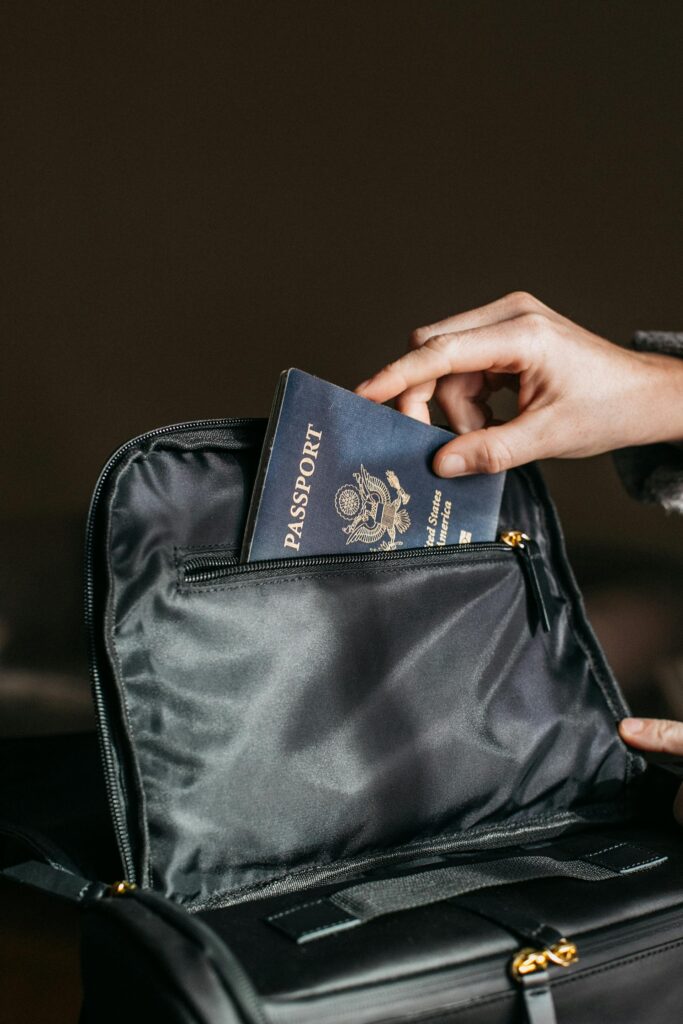
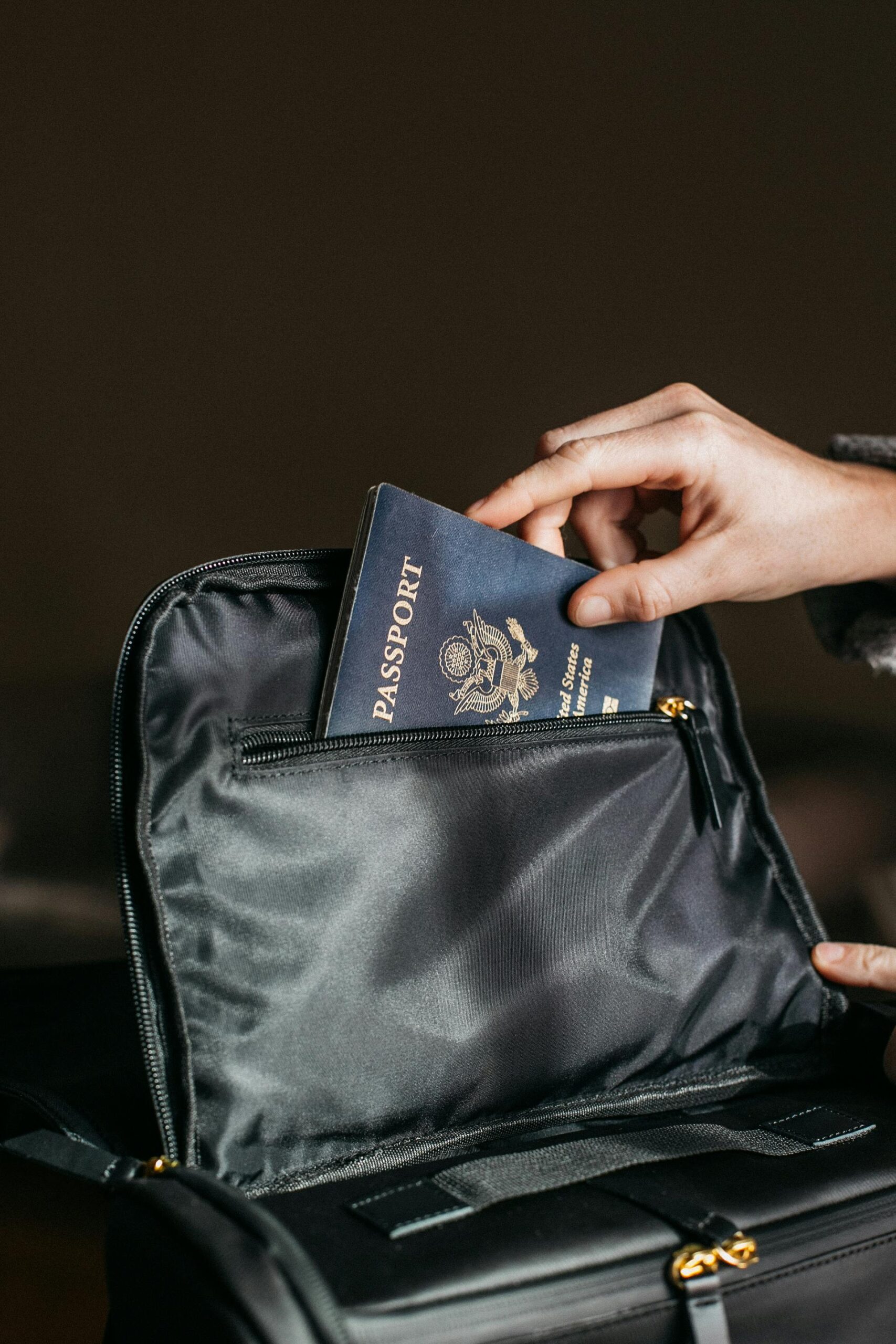
U.S. Passport or Passport Card
-
Permanent Resident (“Green”) Card
-
U.S. Military ID
-
State or Tribal Government ID
-
Foreign Passport (in some states)
3. Can I Use an Expired ID?
In most cases, no — notaries cannot accept expired IDs. However, a few states allow flexibility if:
-
The ID expired recently (usually within the last 1–3 years)
-
The photo and information are still accurate and legible
Important: Rules vary by state. Always confirm with your notary beforehand to avoid appointment cancellations.
If your ID has expired, renew it or bring an alternate valid form of identification before your appointment.
4. What If I Recently Changed My Name?
If your name on the document doesn’t exactly match your ID (for example, due to marriage or divorce), your notary must still verify that both names refer to the same person.
How to Prepare:
-
Bring legal proof of your name change, such as:
-
Marriage certificate
-
Divorce decree
-
Court order for name change
-
-
Let the notary know ahead of time so they can document it properly in their journal.
5. When Other Identification Options Are Needed
If you don’t have valid photo ID, some states allow alternatives like:
-
Credible Witnesses – One or two impartial witnesses who personally know you and can swear to your identity.
-
State-Approved ID Cards – Some agencies (like the DMV) issue temporary or digital identification options that may qualify.
Always confirm with your notary which options are permitted in your state.
6. Tips to Avoid Delays at Your Appointment
Before you meet with your notary, make sure to:
-
Double-check your ID’s expiration date
-
Verify that your name matches your document
-
Bring backup ID if possible
-
Avoid photocopies — the notary must see the original ID
Conclusion
Having the right form of identification is the key to a smooth notarization. Whether you’re signing a real estate deed, Power of Attorney, or business form, always bring a current, government-issued photo ID and notify your notary of any name changes in advance.
At Looking Glass Runners Notary, we help clients across the U.S. prepare for both in-person and online notarizations, making sure every detail — including ID verification — is handled correctly the first time.