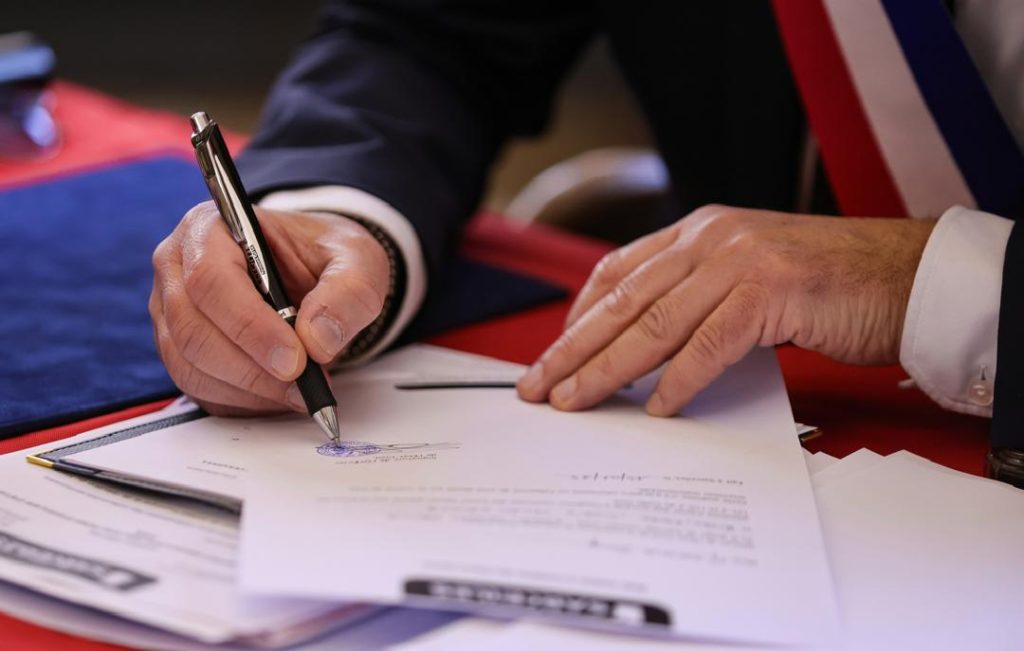
Real estate paperwork can be overwhelming: deeds, loan forms, disclosures, affidavits, and more. In the rush to close, it’s easy to make small mistakes that create big delays — or even force you to re-sign everything.
The good news? Most problems are 100% avoidable with a little preparation. Here are the most common mistakes people make when signing property documents and how to avoid them so your closing stays smooth and on schedule.
1. Signing Before the Notary Arrives
One of the biggest mistakes is signing documents in advance.
For most notarized real estate documents, the notary must:
-
See you sign in their presence, or
-
Confirm that you personally appeared and acknowledged your signature (depending on the type of notarization).
If you sign too early, the notary may not be able to proceed — and you could end up printing and re-signing everything.
How to avoid it:
-
Bring your unsigned documents to the appointment.
-
Wait until the notary says, “You can sign here now.”
2. Missing Initials on Required Pages
Many property documents—especially loan packages and closing disclosures—require you to initial each page or certain sections.
If initials are missing:
-
The title company or lender may reject the documents.
-
Funding can be delayed until corrected.
How to avoid it:
-
Follow the notary’s or closing agent’s instructions carefully.
-
Look for “Initial Here” or boxes at the bottom of pages.
-
Do a quick flip-through at the end to confirm you didn’t miss any.
3. Skipping a Full Document Review
In the rush to sign, some people don’t review their documents at all. That can lead to:
-
Wrong names or spelling errors
-
Incorrect property addresses
-
Wrong loan amounts, interest rates, or terms
Once notarized and recorded, fixing errors can be complicated and costly.
How to avoid it:
-
Review all documents before the appointment or at the start of the session.
-
Confirm key details like:
-
Names
-
Property address
-
Loan amount and terms
-
-
Ask questions before you sign (your notary can’t give legal advice, but can pause the signing so you can contact your lender, agent, or attorney).
4. Using the Wrong Name or Signature Style
If the name on your documents doesn’t match your ID or you sign inconsistently (full name on one, nickname on another), it can cause issues later.
Example:
-
ID: Katherine A. Johnson
-
Document: Kathy Johnson
How to avoid it:
-
Make sure your legal name on the documents matches your ID.
-
Sign your name the same way each time, unless directed otherwise.
-
If there’s a recent name change (marriage, divorce, etc.), bring supporting documents like a marriage certificate or court order.
5. Bringing Incomplete or Outdated Documents
Another common issue is when documents are:
-
Missing pages
-
Outdated versions (older drafts)
-
Still containing blank fields
A notary cannot notarize incomplete documents or forms with missing required information.
How to avoid it:
-
Confirm with your real estate agent, title company, or lender that you have the final version.
-
Make sure all required sections are filled in (but not signed yet).
-
Do not remove staples or rearrange pages unless instructed.
6. Forgetting Required Witnesses
Some documents—like deeds or certain state-specific forms—require witnesses in addition to a notary.
If witnesses aren’t present when needed, the signing may need to be rescheduled.
How to avoid it:
-
Ask ahead of time: “Does this document require witnesses?”
-
If yes, confirm:
-
How many witnesses are required
-
Whether they must be unrelated or not parties to the transaction
-
-
Arrange for them in advance and make sure they bring valid ID too.
7. Using Correction Fluid or Scribbling Out Errors
If you make a mistake while filling out or signing, don’t grab the white-out. Many lenders and recorders won’t accept documents with visible alterations.
How to avoid it:
-
Ask the notary or closing agent how to correct minor errors.
-
Often, a single line through the mistake, with initials and a correction, is acceptable—but follow instructions carefully.
-
For big mistakes, it’s often cleaner to reprint and re-sign the page.
8. Rushing Through the Signing
When everyone is in a hurry, mistakes multiply: missed signatures, skipped pages, and incorrect dates are very common.
How to avoid it:
-
Schedule enough time for your appointment (especially for full loan packages).
-
Take your time — it’s okay to pause and breathe.
-
At the end, do a final “checklist review” with the notary:
-
All signatures? ✅
-
All initials? ✅
-
All dates filled in correctly? ✅
-
9. Not Having Proper ID Ready
Even if you sign everything perfectly, the notarization can’t happen if you don’t have a valid, government-issued photo ID.
✅ How to avoid it:
-
Check your ID’s expiration date before the appointment.
-
Bring a backup ID if you have one.
-
Make sure your ID matches the name on your documents as closely as possible.
Final Thoughts
Property documents are some of the most important papers you’ll ever sign. A few small mistakes—like signing too early, missing initials, or bringing incomplete forms—can delay your closing or force you to repeat the process.
By slowing down, following your notary’s instructions, and using this checklist, you can avoid common errors and keep your real estate transaction moving smoothly.
At Looking Glass Runners Notary, we guide buyers, sellers, and agents through each step of the signing so every signature, initial, and notarization is done correctly the first time—whether in person, mobile, or online.