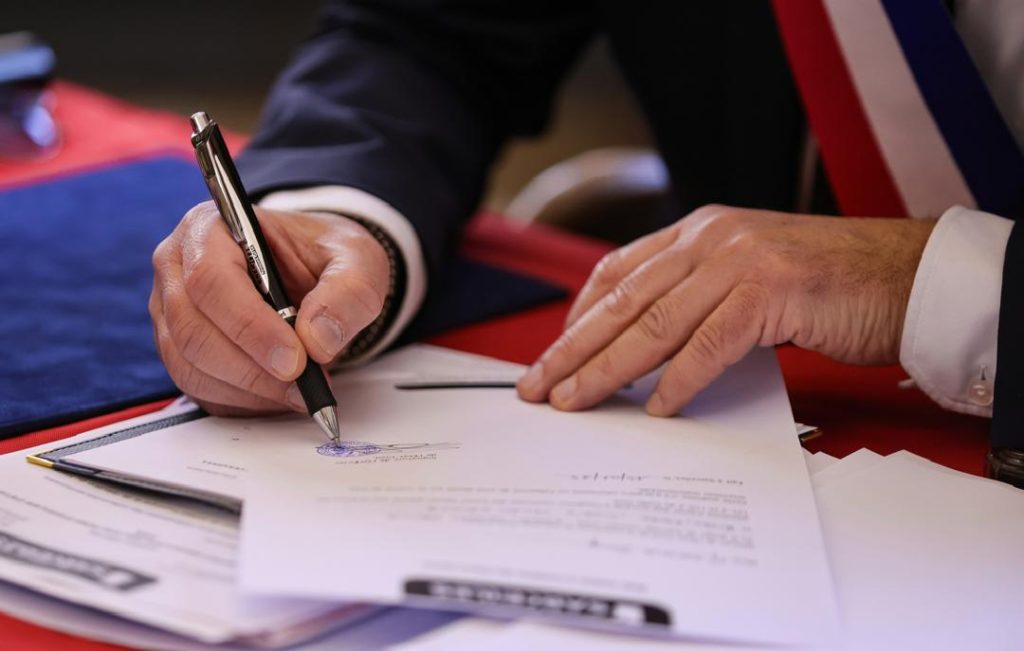
Today, it is easier to communicate with your co-worker, employer, staff, and family across several locations than it was five years ago. With the advancement of Artificial Intelligence and communications technology, communication is happening without a physical meet-up. Companies are hiring, corporations are signing million-dollar deals, and even weddings are happening over the phone. With the influx of communication in our daily lives, the legal space has evolved, and many legal companies now perform services online.
However, this technological advancement comes with its challenges. Online security breaches and scams have become more frequent, and the legal sector is not immune. Identity theft, document fraud, and impersonation are real threats. Remote notarisation, also called online notarisation, is designed to address these risks while maintaining the convenience of digital transactions. Here’s how it works to prevent fraud.
- Identity Verification
The first line of defense in remote notarisation is verifying the signer’s identity. Users are required to upload a government-issued ID, such as a driver’s license or passport. Advanced credential analysis tools then confirm that the ID is authentic and hasn’t been tampered with. This ensures that only the person named on the ID can proceed, making it extremely difficult for a fraudster to impersonate someone else.
- Knowledge-Based Security Questions
Remote notarisation also incorporates knowledge-based authentication. Personalized security questions are generated using information only the true signer would know. This step goes beyond a simple photo ID, providing an extra layer of protection against identity fraud. Even if someone has access to a stolen ID, they would not easily pass these personalized security questions.
- Live Video Session
The final layer of protection is the live video session with a certified notary. During this session, the notary confirms the signer’s identity in real time and ensures they are willingly signing the document with full awareness of its contents. The video recording of the session serves as a permanent record, providing added security and accountability.
Conclusion
Remote notarisation combines technology and legal safeguards to make online document signing safe and reliable. From identity verification to knowledge-based questions and live video confirmation, the process is built to prevent fraud while giving you the flexibility to complete legal transactions from anywhere. In an increasingly digital world, remote notarisation is a trusted tool to protect your legal documents and your identity. Looking to authenticate your documents and identity? Contact Looking Glass Runners today.