Introduction
Before a notary can witness your signature, they must verify that you are who you claim to be.
What is the most common reason notarizations get delayed? — invalid or expired identification.
Whether you’re signing a power of attorney, property deed, or business contract, bringing the right ID ensures a smooth, stress-free appointment. Here’s what you need to know about acceptable identification for notarization in the U.S.
1. Why ID Verification Matters
A notary’s primary duty is to prevent fraud by confirming the signer’s identity.
That’s why every notarization begins with checking your ID — it’s a legal requirement in every U.S. state.
The notary must ensure that:
-
Your photo matches your appearance,
-
The ID is current and valid, and
-
The name on your ID matches the name on your document.
If your ID fails any of these checks, the notary cannot proceed.
2. The Most Commonly Accepted Forms of ID
In most U.S. states, the following government-issued photo IDs are accepted for notarization:
✅ Primary IDs:
-
State-issued driver’s license
-
State-issued non-driver ID card
-
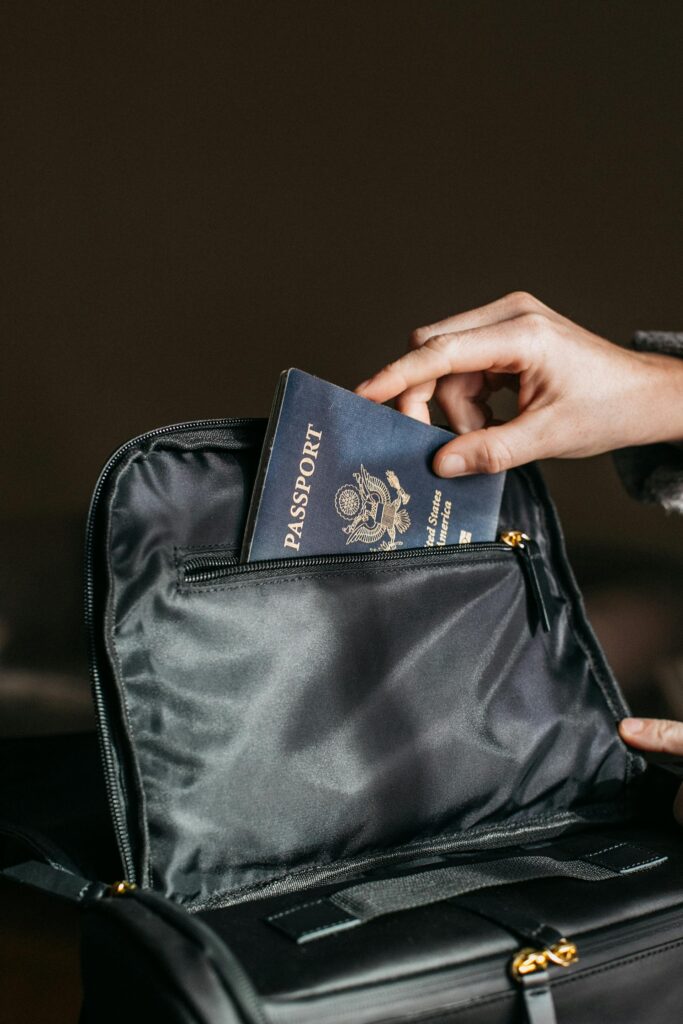
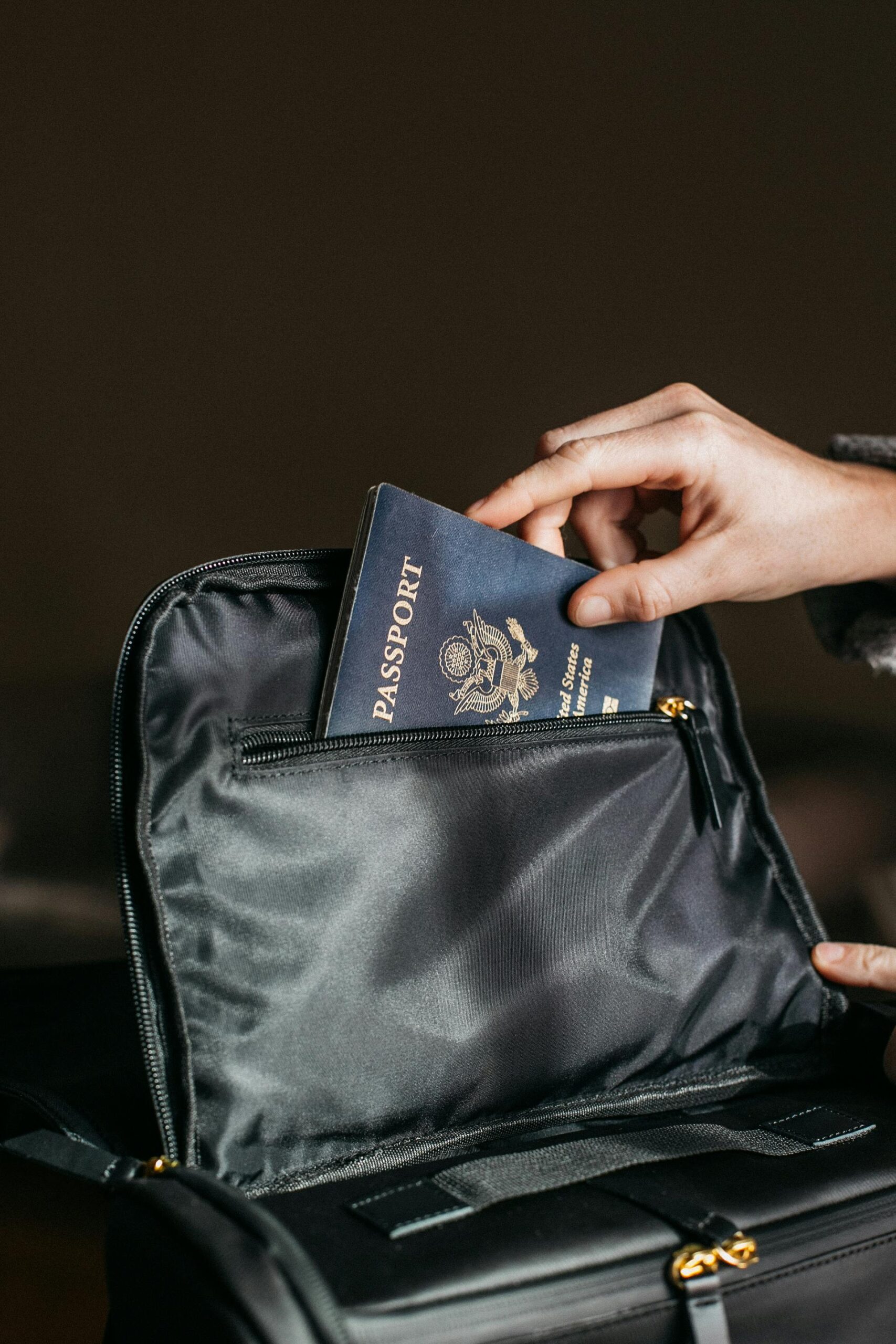
U.S. passport or passport card
-
Military ID card
-
Permanent resident (green) card
-
U.S. tribal identification card
Some states may also allow:
-
Inmate identification (for incarcerated individuals)
-
Driver’s license from another U.S. state
Tip: Make sure your ID includes your photo, signature, and expiration date.
3. Are Expired IDs Accepted?
It depends on your state’s notary laws.
Some states (like California and Florida) allow expired IDs — only if they were issued within the past 5 years.
Others require the ID to be completely current and unexpired.
Because these rules vary, always check ahead of time or ask your notary directly before the appointment.
Safe rule of thumb: Bring a valid, non-expired ID.
4. What If You Recently Changed Your Name?
If your ID doesn’t match the name on your document due to marriage, divorce, or legal name change, your notary may not be able to proceed without proof.
To prepare, bring supporting documents, such as:
-
A marriage certificate
-
A divorce decree
-
A court order showing your legal name change
This allows the notary to confirm that both names belong to the same person.
📝 Tip: Update your ID as soon as possible after a legal name change to avoid delays in future notarizations.
5. When You Don’t Have a Valid ID
If you’ve lost your ID or it’s expired, some states allow an alternative method called “credible witnesses.”
A credible witness is someone who personally knows you and can confirm your identity to the notary under oath.
Requirements:
-
The witness must present their own valid ID.
-
The notary must record the witness’s name, address, and signature.
This option is often used in hospitals, nursing homes, or for seniors without updated identification.
6. Tips to Avoid ID-Related Delays
Check your ID’s expiration date before scheduling your appointment.
Bring a backup ID if you have one.
Make sure your name matches your document.
Keep your ID in good condition — torn or laminated cards may be rejected.
Conclusion
Identification is the foundation of every notarization.
Bringing the right, valid ID not only saves time but also ensures your document is accepted without issues.
At Looking Glass Runners Notary, we verify each signer carefully and help clients understand exactly what’s needed before the appointment — making the process smooth, secure, and professional.