When you need a document notarized, you’re putting trust in the notary public to handle it correctly and legally. But with scams and impersonations on the rise, how do you know if the notary you’re dealing with is legitimate?
Verifying a notary’s credentials is essential to ensure your documents are legally binding and to protect yourself from fraud.
In this post, we’ll cover the key steps you can take to confirm a notary public’s legitimacy and avoid costly mistakes.
Why Verifying a Notary Is Important
A notarization is only valid if performed by a properly commissioned notary public. Using a fake or expired notary can cause:
-
Rejection of your documents by courts, lenders, or government offices.
-
Legal complications and financial loss.
-
Increased risk of identity theft or fraud.
👉 That’s why it’s critical to make sure your notary is fully authorized before signing anything.
Steps to Verify if a Notary Public Is Legitimate
1. Ask to See Their Notary Commission Certificate
Every notary is issued a commission certificate by their state. It includes:
-
The notary’s full name.
-
Commission number.
-
Expiration date.
-
Issuing authority (usually the Secretary of State).
Always request to see it, and double-check that it hasn’t expired.
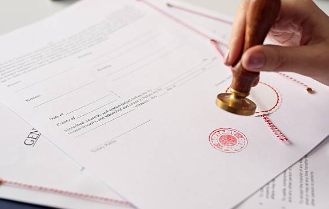
2. Check Their Notary Seal or Stamp
A legitimate notary will use an official seal or stamp that includes:
-
Their name as it appears on their commission.
-
Commission number (in many states).
-
State and county of commission.
-
Expiration date of their commission.
If the seal looks blurry, incomplete, or missing required details, that’s a red flag.
3. Verify Through the State’s Official Database
Most states maintain an online notary search tool through the Secretary of State’s office. You can look up a notary by:
-
Name
-
Commission number
-
County
This is one of the most reliable ways to confirm legitimacy.
4. Review Their Identification
A notary should always carry a valid photo ID matching their commission. If you have doubts, politely ask for additional proof.
5. Watch for Red Flags
-
A notary charging fees far above the legal limit in your state.
-
Refusal to show their commission certificate.
-
Offering legal advice (notaries are not attorneys unless specifically licensed).
-
Seals or stamps that look altered, fake, or inconsistent.
What to Do if You Suspect a Fake Notary
If you believe a notary isn’t legitimate:
-
Stop the notarization immediately.
-
Refuse to sign any documents.
-
Report the individual to your state’s Secretary of State or notary licensing office.
It’s better to delay a notarization than risk fraud or invalid paperwork.
Final Thoughts
Verifying a notary public is simple but crucial. By checking their commission, examining their seal, and confirming their status through your state’s official database, you can protect yourself and ensure your documents remain legally valid.
Need a trusted, certified notary ? Contact us today to schedule safe and professional notarization services.