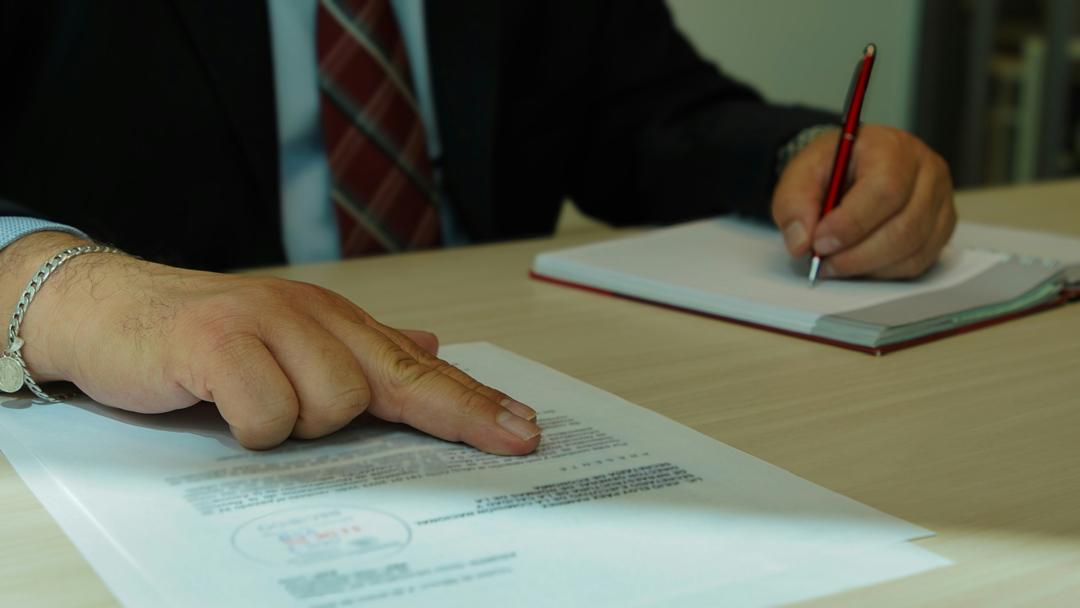
Many people assume that once a document is notarized, it’s automatically “official” or recorded with the government. In reality, notarizing and recording are two completely different steps — and confusing them can lead to serious delays or legal issues.
Understanding the difference helps ensure your documents are both properly executed and legally recognized.
What Does It Mean to Notarize a Document?
Notarization is the process of verifying:
-
The identity of the signer
-
That the signer is acting willingly
-
That the signature is authentic
A notary public:
-
Witnesses the signing
-
Completes a notarial certificate
-
Applies their seal
Notarization helps prevent fraud — but it does not file your document anywhere.
What Does It Mean to Record a Document?
Recording is the act of officially filing a document with a government office — usually a county recorder or clerk.
Recording:
-
Places the document into public records
-
Establishes notice of ownership or interest
-
Protects property rights
-
Creates a legal timeline
Only certain documents, such as deeds or mortgages, are eligible for recording.
Why Notarization Is Often Required Before Recording
Most recording offices require documents to be notarized first because notarization:
-
Confirms signer identity
-
Helps ensure document authenticity
-
Reduces fraud in public records
However, not all notarized documents are recorded, and not all documents that are recorded are notarized in the same way.
Why Notarization Does NOT Equal Recording
A notarized document can still be:
-
Sitting in a desk drawer
-
Waiting to be filed
-
Rejected by the recorder due to formatting issues
The notary’s job ends after proper notarization. Recording is a separate responsibility handled by the signer, title company, or attorney.
Common Misunderstandings That Cause Problems
Some frequent misconceptions include:
-
“The notary files it for me”
-
“Notarized means recorded”
-
“Recording happens automatically”
These misunderstandings often lead to delayed transfers, rejected deeds, or legal disputes.
Who Is Responsible for Recording?
Depending on the transaction, recording is usually handled by:
-
Title companies
-
Attorneys
-
Escrow agents
-
Property owners
Notaries do not record documents unless separately authorized.
How Notaries Help Even After Notarization
Professional notaries often:
-
Remind clients that recording is required
-
Flag formatting or completeness issues
-
Ensure certificates meet recording standards
-
Help reduce rejection risk
But they cannot submit documents unless specifically contracted to do so.
Final Thoughts
So, what’s the difference between recording and notarizing?
Notarization verifies the signing — recording makes it part of the public record.
Both steps are essential, but they serve very different legal purposes. Knowing the difference helps protect your rights and prevents costly mistakes.