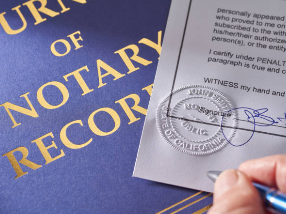
Buying or selling property is one of the most important financial decisions you’ll ever make. Real estate transactions involve large sums of money, multiple parties, and legally binding contracts. With so much at stake, it’s essential that all documents are properly executed.
That’s where a notary public comes in. The notary plays a vital role in ensuring that real estate documents are legally valid, authentic, and fraud-resistant.
In this post, we’ll break down the role of a notary in real estate transactions, the types of documents they notarize, and why their services are crucial for buyers, sellers, and lenders.
Why Notaries Are Essential in Real Estate
Notaries act as impartial witnesses during the signing of important documents. Their primary responsibility is to confirm:
-
The identity of all signers.
-
That signers are acting willingly and not under pressure.
-
That the signatures are genuine.
This process protects all parties involved and helps prevent costly disputes in the future.
Common Real Estate Documents That Require Notarization
In most real estate deals, several documents must be notarized to be considered valid:
-
Deeds of Trust / Mortgages – To secure a property loan.
-
Property Deeds – Transferring ownership from seller to buyer.
-
Affidavits – Such as residency or identity affidavits.
-
Loan Documents – Promissory notes, closing disclosures, refinance agreements.
-
Power of Attorney (POA) – If someone is signing on behalf of another party.
Without notarization, many of these documents cannot be recorded with the county or recognized by lenders.
The Role of a Notary at Closing
Closing day is the most important step in a real estate transaction. Here’s how the notary helps:
-
Verifies IDs – Confirms each signer’s identity with valid government-issued identification.
-
Witnesses Signatures – Ensures all parties sign willingly and in the correct places.
-
Administers Oaths (if needed) – For sworn affidavits or declarations.
-
Completes Notarial Certificates – Adds the official seal/stamp to validate the documents.
-
Ensures Compliance – Makes sure no legal requirements are overlooked before submission.
This not only provides peace of mind but also ensures the documents can be legally recorded.
Benefits of Using a Notary in Real Estate Transactions
-
Fraud Prevention – Reduces the risk of forged or fraudulent signatures.
-
Legal Validity – Ensures documents meet state and county recording requirements.
-
Impartiality – A notary remains neutral and does not favor either party.
-
Smooth Process – Helps avoid delays during the closing process.
-
Peace of Mind – Buyers, sellers, and lenders all know the paperwork is accurate and binding.
Mobile and Remote Notary Options
Real estate deals don’t always happen in a lawyer’s office. Notaries can now provide services in more flexible ways:
-
Mobile Notaries – Travel to your home, office, or closing location.
-
Remote Online Notarization (RON) – Conduct notarization through secure video conferencing.
These options make the process faster and more convenient, especially for busy professionals or long-distance transactions.
Final Thoughts
The role of a notary in real estate transactions goes beyond simply stamping papers—it’s about ensuring trust, legality, and security in one of life’s biggest financial decisions.
Whether you’re buying your first home, refinancing, or selling property, a notary helps make sure the process is smooth, valid, and protected.
Looking for professional real estate notarization services? Contact us today to book your appointment.