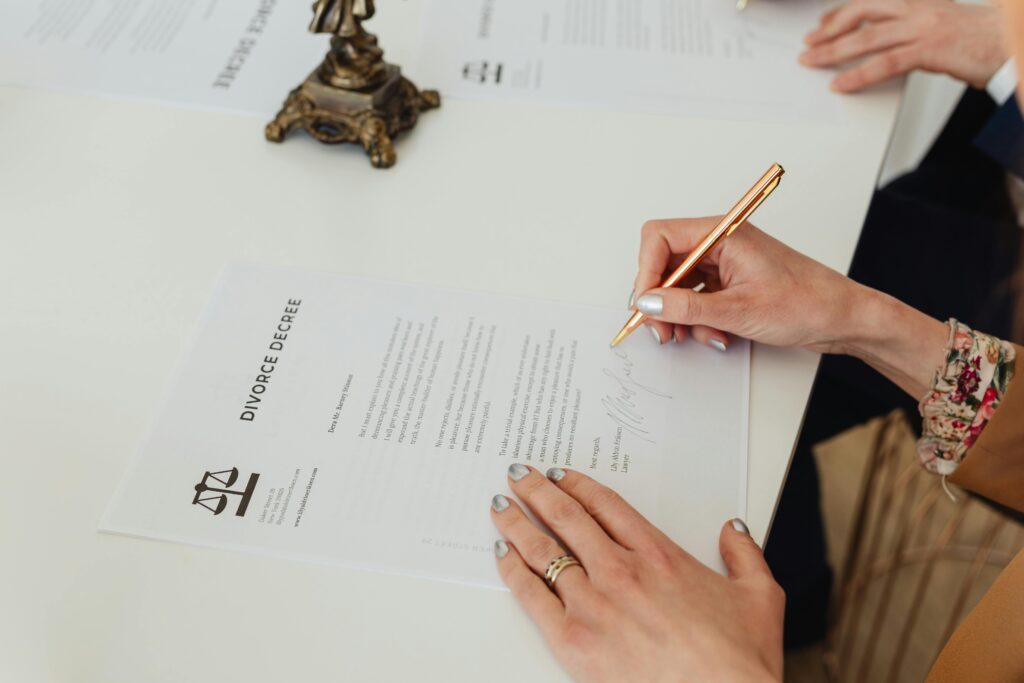
Will documents are not just legal paperwork. For most people, sitting down to sign one is one of the most emotionally loaded moments they experience. It forces a confrontation with mortality that no amount of financial planning fully prepares you for. And yet, how you handle that moment, and who is in the room when you do, matters far more than most people realize.
Why Signing Feels So Heavy
There is something uniquely uncomfortable about putting your name to a document that only becomes relevant after you are gone. Many people delay drafting one for years, not because they do not understand its importance, but because signing a will feels like an acknowledgment that life has an expiration date. Grief counselors and estate attorneys say the same thing: the resistance is rarely practical. It is emotional.
For parents, the weight is even sharper. Deciding who raises your children, who manages your assets, and how your life’s work gets distributed forces conversations most families would rather avoid. And for elderly individuals, especially those in declining health, the act of signing feels deeply final in a way that nothing else does.
Why Getting Your Will Right Matters Beyond the Legal
A poorly executed document does not just create legal problems. It creates family ones. Contested estates tear through families with a particular kind of damage because they happen at the worst possible time, when grief is fresh, and emotions are raw. An unclear document, improperly witnessed or signed under circumstances that can later be questioned, becomes a source of conflict lasting years.
This is why the environment in which a will is signed matters as much as its contents. A person must be of sound mind and sign without coercion. Those are legal standards, but they are also human ones. The presence of a neutral professional witness is not a bureaucratic formality. It is a safeguard for everyone involved.
The Role of a Notary in Getting It Right
A notary does something important in the signing process that goes beyond stamping a document. Their presence creates a verifiable record that the signature was given freely, competently, and without pressure. In many jurisdictions, a notarized will is considered self-proving, meaning it can proceed through probate without requiring witnesses to appear in court later.
For families navigating the emotional complexity of estate planning, that clarity is a gift. It removes one layer of potential dispute before it can ever arise. And for the person signing, knowing that the document has been properly executed often brings quiet relief. The hard conversation has been had. The wishes are recorded. The people they love are protected.
What Families Often Get Wrong
The most common mistake is not the contents of the document. It is the execution. Witnesses who are also beneficiaries, signatures without proper notarization, and documents that are never updated after a major life change. These are the gaps that turn a well-intentioned will into a contested one.
A document signed in haste, without the right people present, or during a period of cognitive decline, can be challenged. And a challenge, even an unsuccessful one, costs money, time, and relationships that no family gets back.
The Conversation Worth Having
If you have been putting off this process, the resistance you feel is normal. It is human. But the emotional weight of signing is precisely why it deserves to be done carefully, with the right professional support in place.
This is not a death document. It is a document about love, intention, and the people you are choosing to protect. Getting it right is the last act of care you can extend to the people who matter most.
Looking Glass Runners provides professional mobile notary services for will signings and estate documents. Visit lookingglassrunners.com to schedule.