
State-Specific Laws for Remote Online Notarization (RON): A Complete Guide for 2026
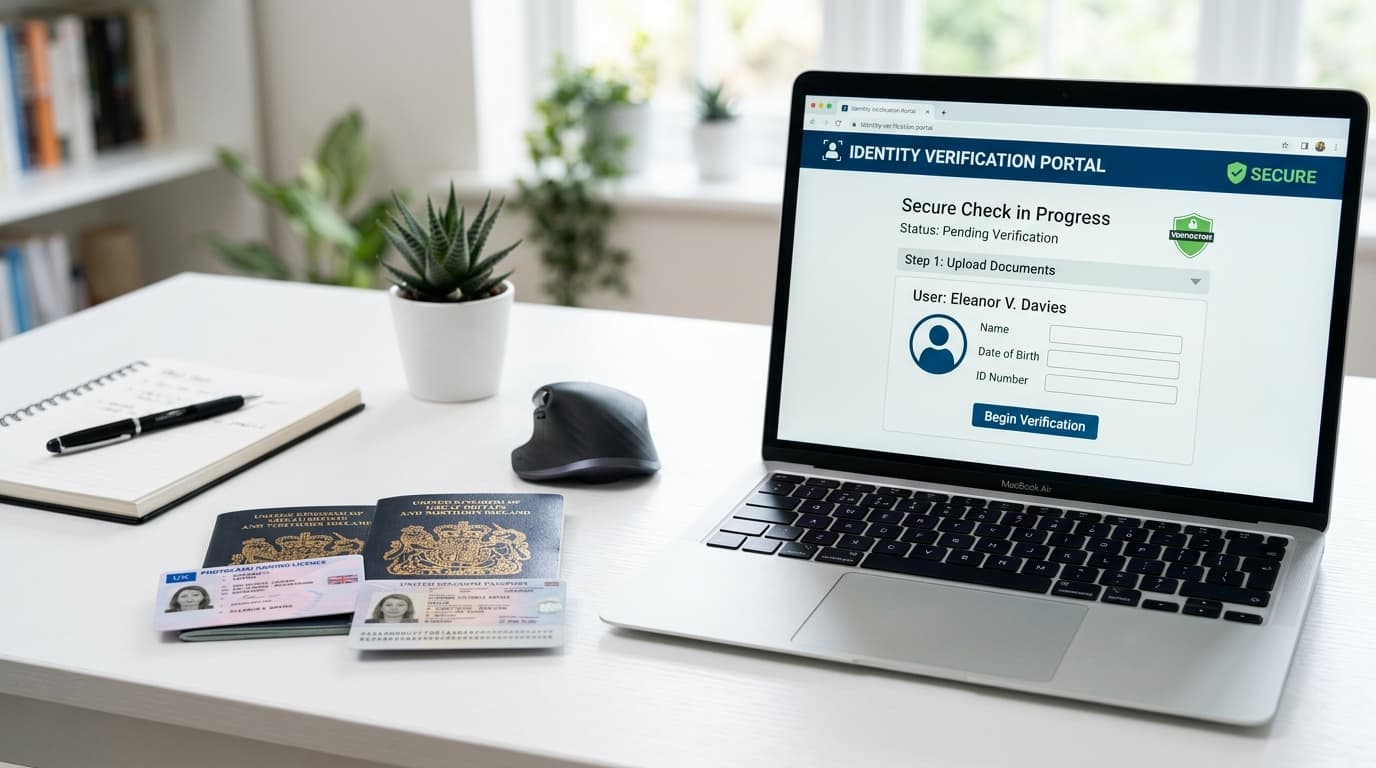
Navigate the complex landscape of remote online notarization laws across all 50 states. Learn requirements, compliance standards, and how Looking Glass Runners ensures seamless, secure RON services.
State-Specific Laws for Remote Online Notarization (RON): A Complete Guide for 2026
Remote Online Notarization (RON) has revolutionized document authentication, but navigating state-specific regulations remains a critical challenge for businesses, legal professionals, and individuals. With each state establishing its own RON requirements, understanding these nuances is essential for compliance and security. This comprehensive guide breaks down RON laws across the United States and shows how Looking Glass Runners simplifies the process.
The National RON Landscape
The Uniform Real Property Electronic Recording Act (URPERA) and the Revised Uniform Law on Notarization (RULONA) have created a more standardized framework for RON, but significant variations persist. As of 2026, all 50 states now permit some form of remote online notarization, though the specific requirements, technology standards, and acceptable document types differ considerably.
Key State Categories
Full RON Compliance States
States like California, New York, Florida, and Texas lead the way with comprehensive RON frameworks. These states typically require:
- Identity verification through government-issued ID (driver's license, passport)
- Knowledge of the signer or credible witness requirements
- Tamper-evident technology for secure document transmission
- Audio-visual recording of the notarization session
- Retention of notarial records for a specified period (typically 10-15 years)
California's implementation is particularly robust, requiring dual authentication methods and biometric analysis for maximum security. New York similarly enforces strict digital certificate requirements and real-time video conferencing standards.
Conservative Compliance States
States such as Mississippi, Missouri, and several others permit RON but with stricter limitations:
- Limited to specific document types (primarily real estate transactions and wills)
- Restrictions on the types of entities that can act as remote notaries
- More rigorous identity verification procedures
- Additional credentials or training requirements for remote notaries
Essential RON Requirements Across All States
1. Identity Verification Standards
Every state requires robust identity verification. The most common methods include:
- Government-issued photo ID verification
- Knowledge of the signer (for in-person notaries with prior relationships)
- Credible witness verification in select jurisdictions
- Biometric analysis (facial recognition, fingerprint matching)
2. Technology and Platform Requirements
RON platforms must meet specific technical standards:
- End-to-end encryption for all communications
- Secure video conferencing with minimum resolution and frame rates
- Recording capabilities with secure storage
- Compliance with NIST (National Institute of Standards and Technology) guidelines
- Backup systems to ensure service continuity
3. Signer Authentication Methods
Most states accept multiple signer authentication approaches:
- Knowledge-based authentication (answers to personal questions)
- Out-of-wallet verification (information not publicly available)
- Digital identity verification services
- Biometric matching technologies
State-by-State Highlights
New York has become a model for RON regulation, requiring notaries to obtain a digital credential and utilize approved technology platforms. The state's framework emphasizes document tamper-proofing and detailed audit trails.
Florida takes a practical approach, permitting RON for most document types while maintaining strict identity verification and audio-visual recording requirements.
Texas balances innovation with security, allowing RON while requiring notaries to keep detailed journals and maintain records accessible for audits.
California implements the most comprehensive biometric requirements, including facial recognition and liveness detection to prevent fraud and impersonation.
Compliance Challenges and Solutions
The complexity of multi-state RON operations creates significant challenges:
- Jurisdictional confusion: Operating across multiple states requires understanding each state's specific requirements
- Technology integration: Platforms must adapt to varying technical standards
- Record retention: Different states mandate different retention periods and formats
- Liability concerns: Notaries must understand their liability exposure in each jurisdiction
How Looking Glass Runners Ensures Compliance
Looking Glass Runners has invested heavily in understanding and implementing state-specific RON requirements:
Automated Compliance Checking: Our platform automatically verifies which document types are eligible for RON in the relevant state and ensures all technical requirements are met.
Multi-State Expertise: Our network of commissioned notaries is trained in state-specific requirements, ensuring your documents meet all local regulations.
Advanced Authentication: We employ military-grade encryption, biometric verification, and real-time audio-visual recording to exceed all state requirements.
Comprehensive Record Keeping: Our secure servers maintain detailed audit trails and records retention that exceed even the most stringent state requirements.
Real-Time Support: Our team monitors regulatory changes and updates our platform immediately when states modify RON requirements.
Future Trends in RON Regulation
Looking ahead, we anticipate:
- Greater standardization through RULONA adoption across all states
- Enhanced biometric requirements and AI-powered fraud detection
- Integration of blockchain technology for immutable notarial records
- Expanded acceptance of RON for previously restricted document types
- Reciprocal recognition agreements between states
Best Practices for RON in 2026
To ensure smooth, compliant RON transactions:
- Verify eligibility for your specific document type in your state
- Use certified platforms that comply with your state's technology standards
- Maintain detailed records of all transactions and communications
- Understand signer identity requirements before initiating the notarization
- Choose experienced providers like Looking Glass Runners who understand regulatory nuances
Conclusion
Remote online notarization has transformed document authentication, but success requires meticulous attention to state-specific regulations. By understanding the varying requirements across jurisdictions and partnering with experienced providers like Looking Glass Runners, you can confidently navigate RON with security, compliance, and convenience.
Whether you're handling a real estate closing, estate planning documents, or critical business contracts, Looking Glass Runners delivers secure, compliant remote notarization services that meet every state's requirements while providing the speed and convenience you need in today's digital-first world.
Ready to simplify your notarization process? Contact Looking Glass Runners today and experience the future of secure document authentication.
Need a Document Notarized?
Book an online notarization session and get your documents notarized in minutes.
Book Now